
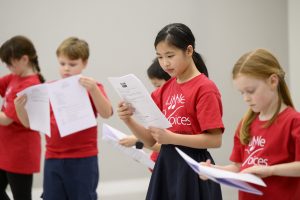
Across the education sector, there is growing conversation about the role of drama, oracy and communication in children’s learning. As thinking around the future curriculum develops, speaking, listening and self-expression are increasingly recognised not as optional extras, but as essential foundations for learning, wellbeing and life beyond the classroom.
Helping children grow in confidence and self-expression
For many children, the ability to communicate confidently does not come naturally. Finding the courage to speak, share ideas, listen to others and express emotions takes time, practice and supportive environments. Drama and singing offer powerful ways to develop these skills, helping children grow in confidence in a safe and encouraging setting.
Oracy as a foundation for learning
Oracy, in particular, is increasingly recognised across education as a cornerstone of learning. When children are given regular opportunities to speak, perform and reflect, they develop not only stronger communication skills but also greater self-belief. These experiences support learning across the curriculum, from literacy and humanities to personal development and wellbeing. These are the same foundations that have long shaped the Little Voices approach.
The Little Voices approach
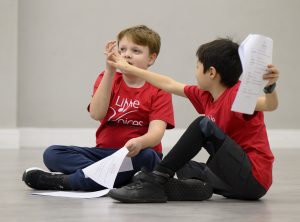
At Little Voices, confidence and communication have always sat at the heart of what we do. For over 18 years, our small-group drama and singing lessons have focused on helping children find their voice in a safe, supportive environment, including through our work in partnership with schools. Through performance, collaboration and creativity, pupils build confidence, resilience and communication skills that support them well beyond school and into the next stages of their lives.
 Looking ahead
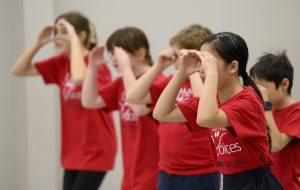
As schools look ahead and consider how best to support pupils in developing these vital skills, it is encouraging to see drama and oracy gaining the recognition they deserve. These are not short-term initiatives, but long-term commitments to helping children thrive, both academically and personally.
Confidence and communication are gifts for life. Creating spaces where children feel heard, supported and able to express themselves will always matter. As education continues to evolve, these foundations remain constant, and ensuring every child has the opportunity to find their voice has never been more important.